
Research Programs
Adaptive Remodeling
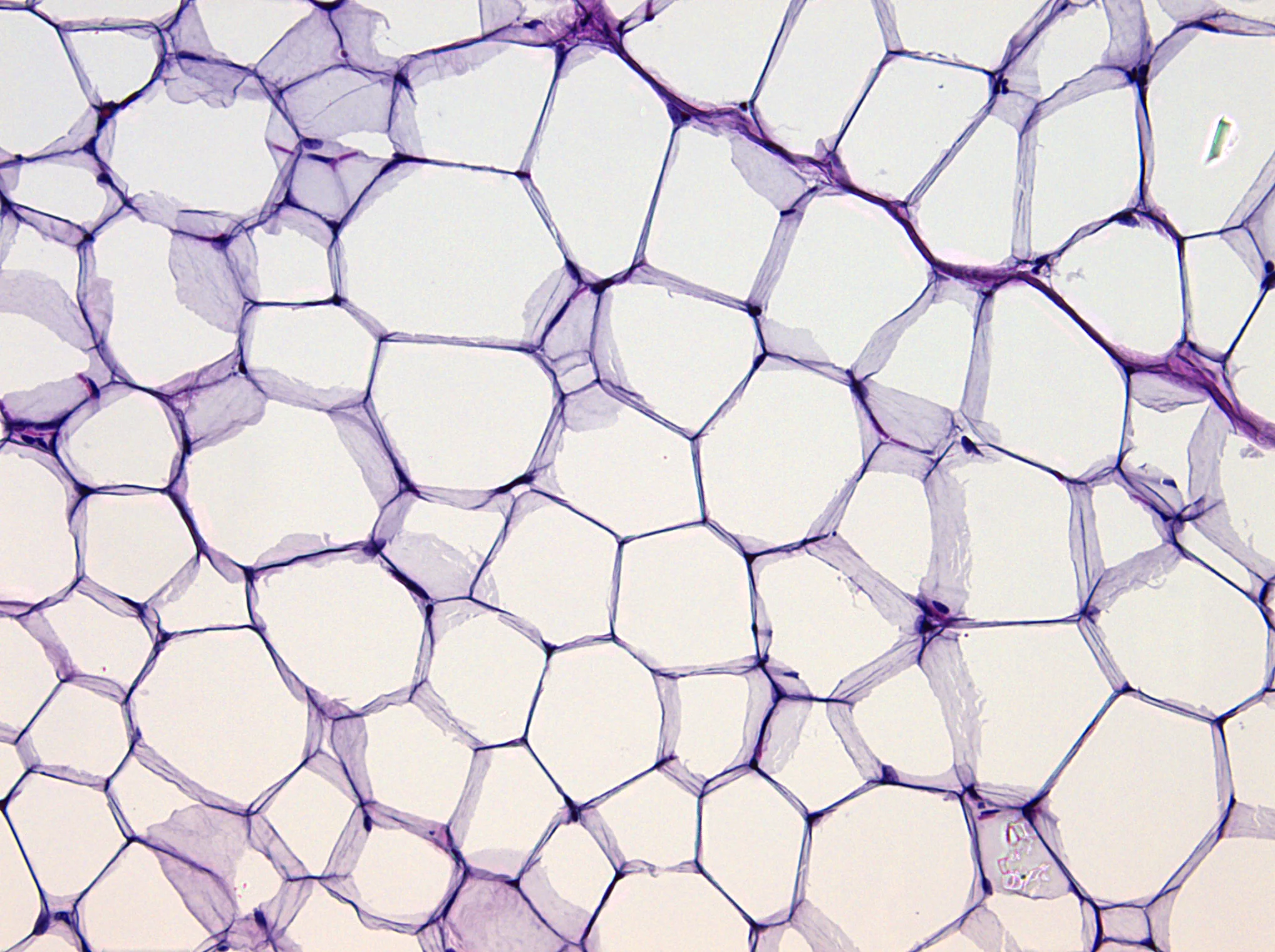
Adipose tissue is one of the most dynamic organs in the body, continually remodeling in response to changes in physiological demand. Cold exposure stimulates thermogenic adipocyte formation, nutrient excess drives tissue expansion, fasting mobilizes stored energy, and injury requires coordinated tissue repair. These adaptive responses require precise regulation to preserve tissue architecture and metabolic homeostasis while avoiding fibrosis, chronic inflammation, or loss of function.
Our research seeks to understand how adaptive remodeling is initiated, coordinated, and resolved across diverse physiological conditions. We investigate how environmental and metabolic cues are translated into cellular responses that reshape tissue structure, alter cellular composition, and restore homeostasis. By defining the mechanisms that regulate adaptive remodeling, we aim to understand how tissues maintain function throughout life and why these processes become compromised during aging and metabolic disease.
Progenitor Cell Biology
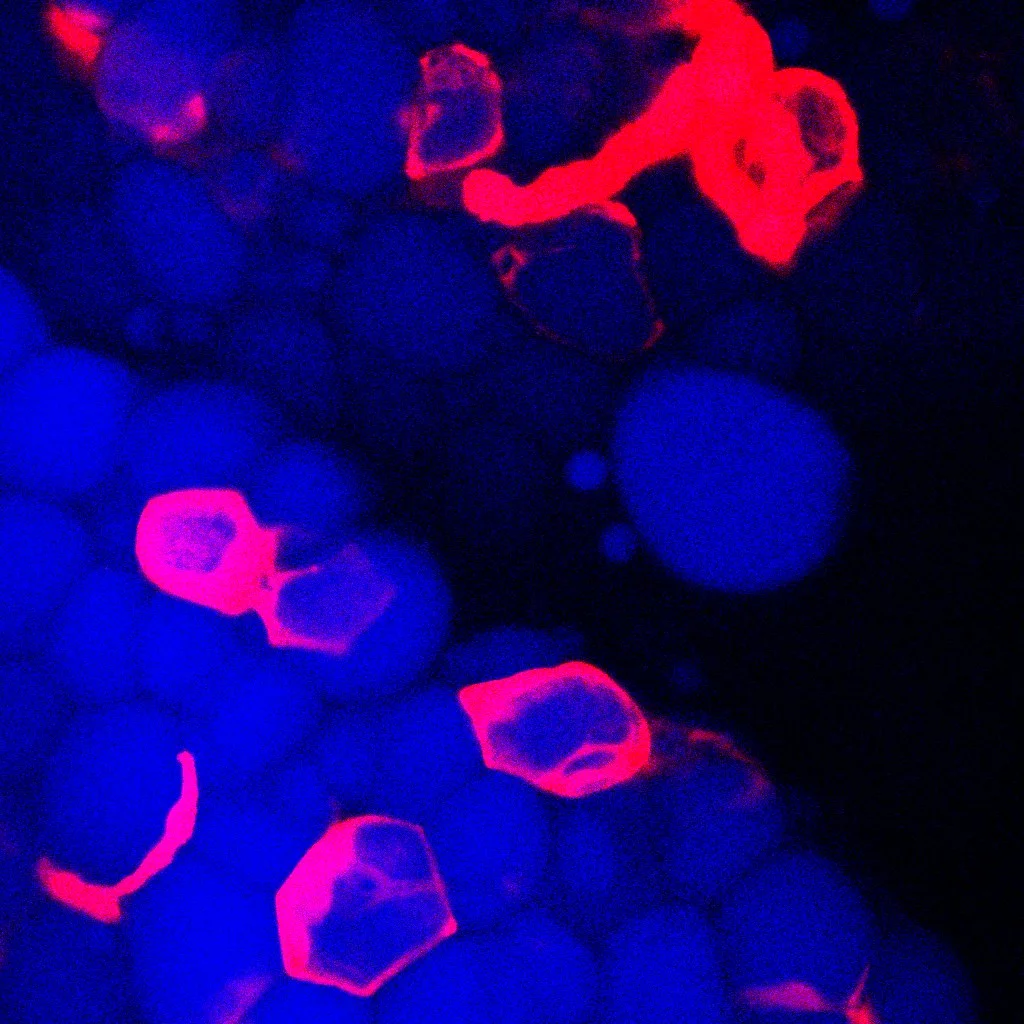
The remarkable plasticity of adipose tissue depends on resident progenitor cells that generate new adipocytes while preserving a reservoir of undifferentiated cells capable of responding to future physiological demands. Although adipocyte progenitors are essential for tissue growth, regeneration, and metabolic adaptation, fundamental questions remain regarding their developmental origins, functional heterogeneity, lineage relationships, and mechanisms governing long-term maintenance.
Our laboratory investigates how adipocyte progenitor populations are established, maintained, and recruited during development and adulthood. We seek to define how distinct progenitor states contribute to homeostatic turnover, thermogenic remodeling, tissue expansion, and regeneration, and how these processes change during aging and obesity. Understanding the biology of adipocyte progenitors provides the foundation for defining how tissues preserve their capacity to remodel throughout life.
Tissue Niches
Adipocyte progenitors do not function independently but reside within specialized cellular niches that regulate their behavior through continuous local interactions. These niches are composed of stromal, vascular, immune, and neural cell populations that provide structural support, trophic signals, and environmental information required for progenitor maintenance, activation, and differentiation. While individual niche components have been identified, the mechanisms through which these diverse cell populations function as an integrated regulatory network remain poorly understood.
Our research seeks to define how cellular niches are assembled, maintained, and remodeled in response to physiological challenge. We investigate how vascular smooth muscle cells, endothelial cells, immune cells, peripheral nerves, and other stromal populations coordinate progenitor function and tissue remodeling. By understanding how these specialized microenvironments regulate adaptive responses, we aim to identify mechanisms that preserve tissue function and explain why regenerative capacity declines during aging and disease.

Intercellular Communication
Adaptive tissue remodeling requires continuous communication between multiple cell populations. Local signaling pathways coordinate progenitor activation, immune cell function, vascular remodeling, and neural activity to ensure that complex adaptive responses occur in a spatially and temporally organized manner. Disruption of these communication networks can impair tissue remodeling long before structural changes become apparent.
Our laboratory investigates the molecular mechanisms that coordinate communication among progenitor, stromal, immune, vascular, and neural cell populations during tissue adaptation. We seek to identify the signaling pathways that integrate environmental and metabolic cues with local cellular responses and determine how alterations in these communication networks contribute to obesity, impaired thermogenesis, and age-associated tissue dysfunction.