
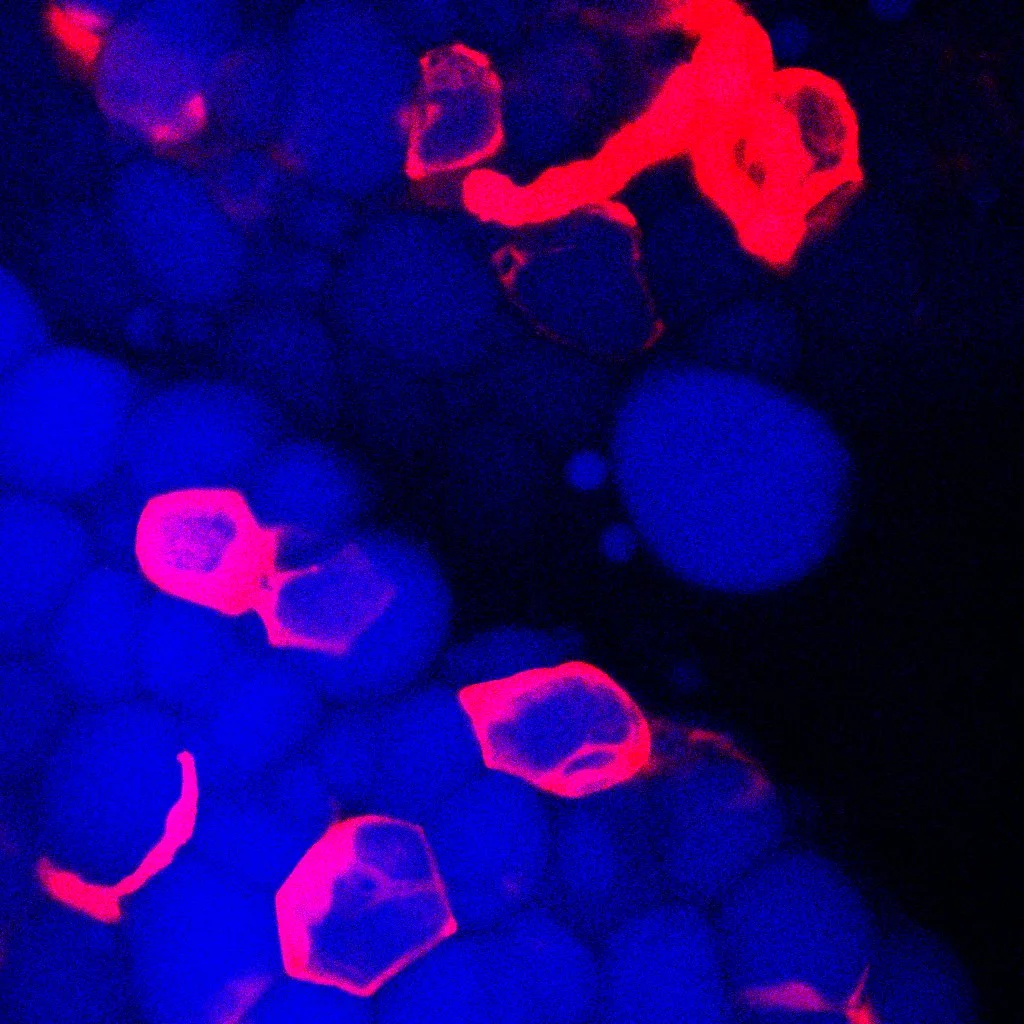

Daniel Berry, PhD
Principal Investigator
Dan is the Andre Bensadoun Associate Professor in the Division of Nutritional Sciences at Cornell University. His research seeks to understand why adipose tissue loses its capacity to adapt during obesity and aging and how this failure contributes to metabolic disease. His laboratory studies how progenitor, stromal, immune, and vascular cell populations coordinate tissue remodeling and metabolic homeostasis, with a particular focus on the cellular niches that preserve adipose tissue function across the lifespan.
Dan completed a PhD in Molecular Nutrition at Case Western Reserve University. He performed postdoctoral training in Developmental Biology and Endocrinology at the University of Texas Southwestern Medical Center, where he developed genetic and lineage-tracing approaches to investigate tissue development, regeneration, and metabolic disease.
His laboratory combines genetics, physiology, imaging, and cell biology to define the mechanisms that govern adipose tissue plasticity, progenitor cell competence, and metabolic resilience.
Current Lab Members
Members of the Berry Lab investigate how tissue niches regulate adaptation, remodeling, and metabolic function during aging and disease. Together, our research spans adipose tissue biology, skeletal muscle physiology, progenitor cell function, and intercellular communication networks.

Siwen Xue, PhD
Graduate Student, Molecular Nutrition
Siwen studies the cellular mechanisms that regulate skeletal muscle growth and regeneration. Her research focuses on how progenitor cell populations coordinate tissue repair and adaptation, with particular interest in signaling pathways that control muscle development and remodeling. Her work aims to define how developmental programs establish the structural and functional capacity of skeletal muscle throughout life.
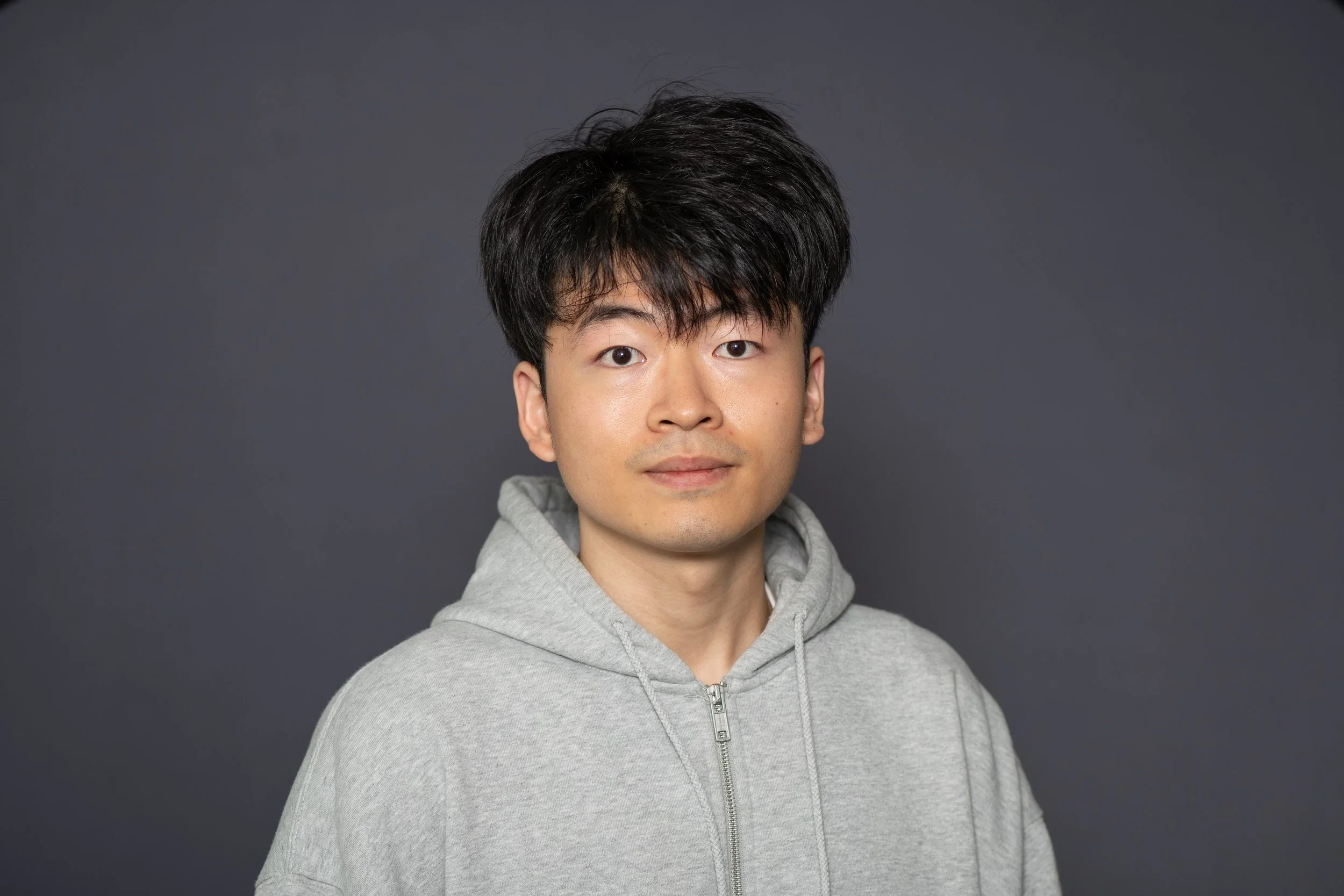
Jiafan (Billy) Qiu, BS
Graduate Student, Molecular Nutrition
Jiafan studies how vascular smooth muscle cells organize cellular networks that support brown adipose tissue thermogenesis. His research focuses on communication between macrophages, blood vessels, and sympathetic nerves that collectively maintain tissue function and adaptive remodeling. His studies define how neurovascular–immune interactions coordinate thermogenic output and metabolic adaptation.